
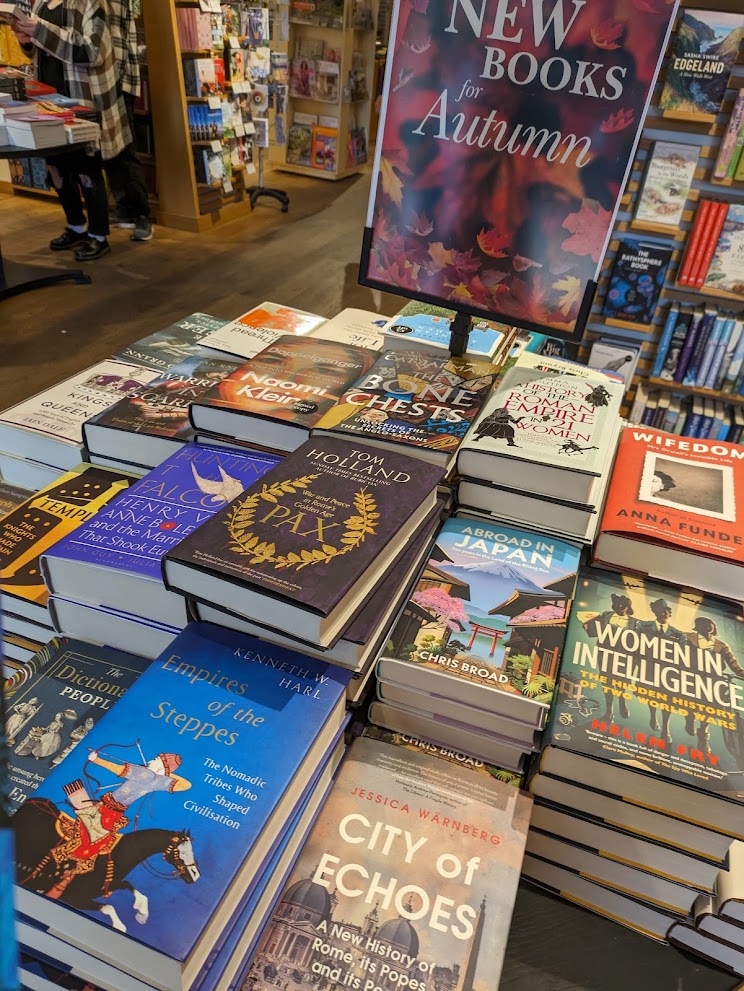
Welcome to this post which is a reading wrap-up to mark the end of the year.
Out of all the 36 books I have read this year, 17 fit into the archaeology/history category and will be included in the post. For each one there will be a short summary and who I would recommend it to. All the books have been further grouped into the following themes: Prehistory, Romans, General, Archaeologists, Mythology and Classics.
Prehistory
Homo Sapiens Rediscovered: The Scientific Revolution Rewriting Our Origins by Paul Pettit
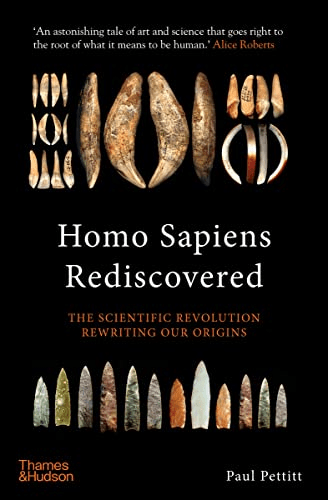
This was one of the first books I read in 2023 having started it over Christmas as a Christmas present to myself. This book focuses on human evolution discussing recent research in the field, particularly genetics, and how this is changing interpretations. There is also focus on art, technology and society, which have sometimes been overlooked. Pettit also incorporates his own career into the telling of the story of human evolution which allows a more personal angle which makes it a really easy read. I would recommend this book to anyone who is interested in human evolution.
Kindred: Neanderthal Life, Love, Death and Art by Rebecca Wragg Sykes
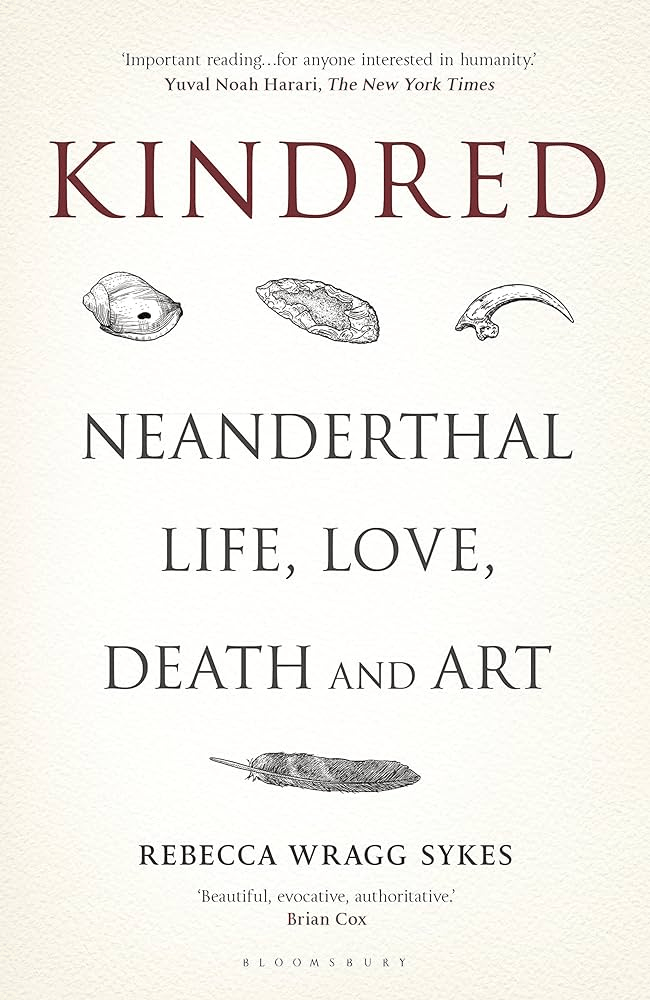
If I wanted anyone to read any book to change an archaeology misconception, it would be this book. Sykes blows the common myth that Neanderthal cliché to shreds and shares the real Neanderthals that the media is still not quite showing. An incredibly comprehensive book covering all aspects of Neanderthals from what they ate, their art and relationship with modern humans. A must read for anyone interested in Neanderthals.
Lady Sapiens: Breaking Stereotypes About Prehistoric Women by Thomas Cirotteau, Jennifer Kerner and Eric Pincas
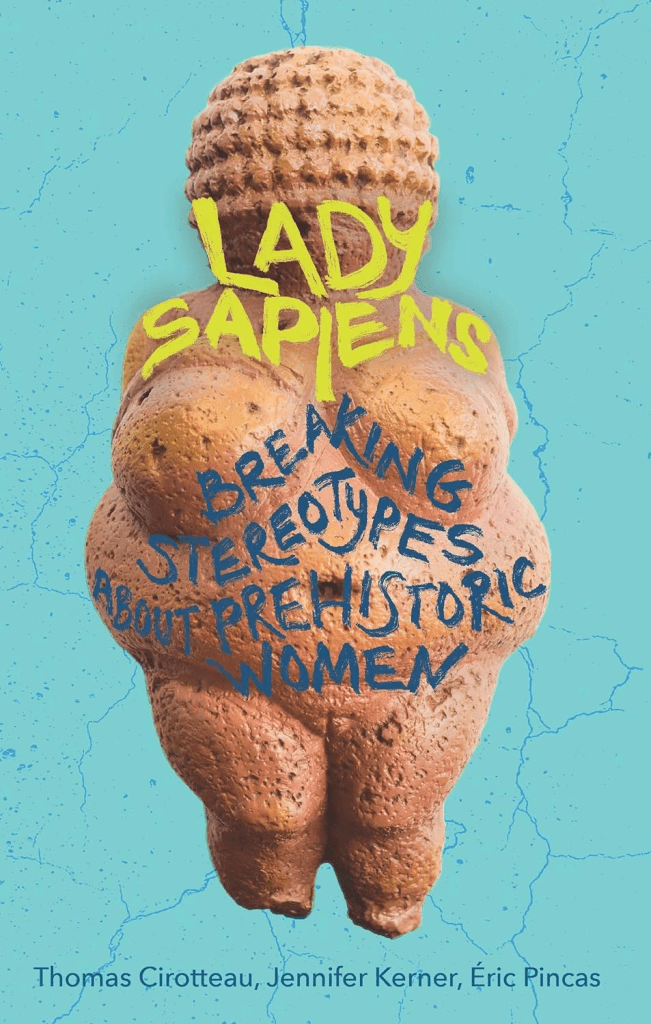
A book focusing all on prehistoric women and fully exploring their role in society, which has previously been overlooked. The stereotype of man hunt, woman stay home has dominated interpretations but this is beginning to debunked and the real role of women is finally being explored. The book is quite short at 240 pages so provides a summary on the topic for those who lightly want to dip into the subject and is really readable. It would be nice to have more books deep diving into this area!
The Old Stones: A Field Guide to the Megalithic Sites of Britain and Ireland edited by Andy Burnham
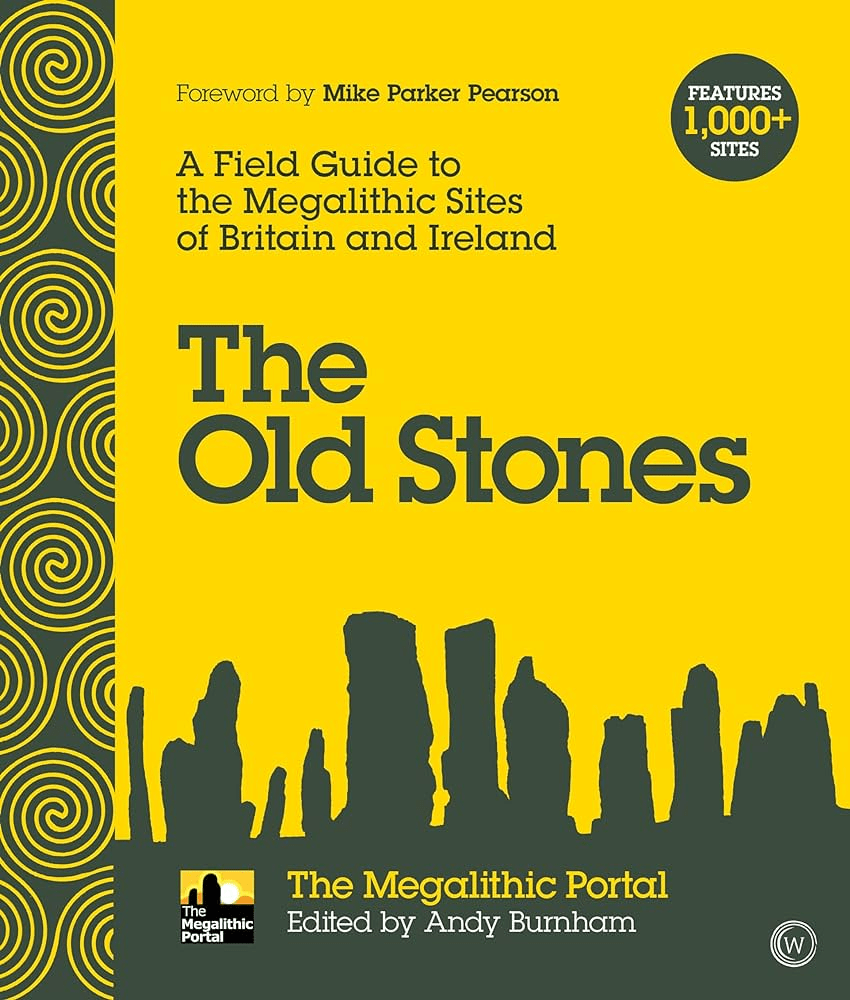
This book is a fantastic field guide to some amazing prehistoric sites around Britain. The book comes from the incredible website The Megalithic Portal. This is a website dedicated to documenting and synthesising in one location prehistoric sites from around the world. Over 1,000 sites in Britain and Ireland are included in the book split by region with tons of information, maps and pictures. Also included are several pieces from lots of different contributors on a wide-range of topics relating to prehistoric sites. Definitely recommend for any prehistory enthusiasts as it is perfect to have a peruse whenever you have a free minute.
General
Slow Rise – A Bread-Making Adventure by Robert Penn
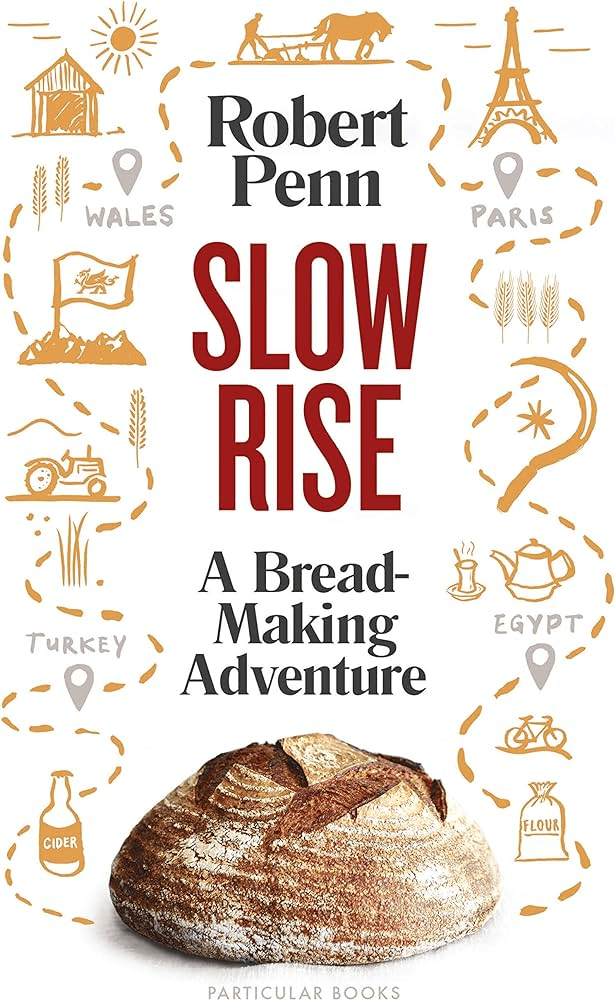
Slow Rise is a different book to what I would usually pick up but I love bread and was intrigued to learn more. The book follows journalist Robert Penn on his, as the name suggests, bread-making adventure where over a year he learnt how plant, harvest and mill his own wheat to be able to bake his own bread. The book tells the history of bread from the domestication of the wheat plant in the Fertile Crescent to the modern bread we find at the shops today. If you fancy an enjoyable read about your favourite carbohydrate, I’d recommend this book!
A Curious History of Sex by Kate Lister

Similarly, this is also a book I wouldn’t usually go for. This book does not claim to be a comprehensive full history of sex but is aiming to give the reader an insight into parts of sex in the past and it definitely achieves this. This book was fascinatingly interesting and I struggled to stop listening to the audiobook. There is so much information in this book that was entirely new to me and I found it all so interesting with topics ranging from Pompeii erotica to medieval impotence tests.
Archaeologists
The Great Archaeologists by Brian Fagan
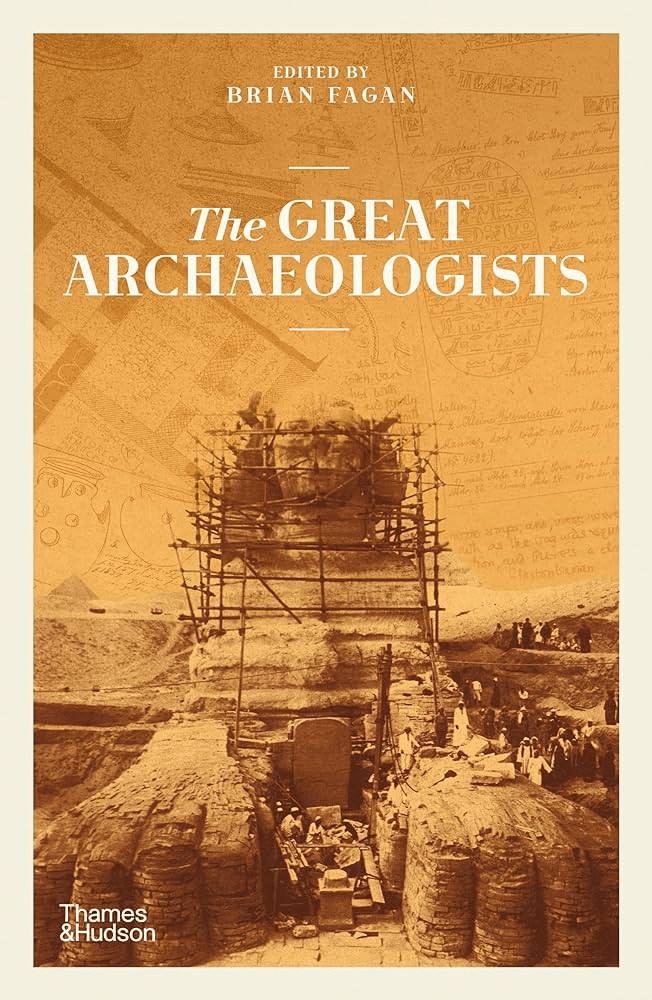
This book includes the life stories and work of 70 different archaeological researchers from pioneers of the field to lesser known individuals who deserve much more recognition. This was easily one of the best books I read this year and a must read for anyone interested in archaeology as sometimes we spend so much time focusing on sites and finds that we forget to consider those who find and research them.
What Happened in History? by Vere Gordon Childe
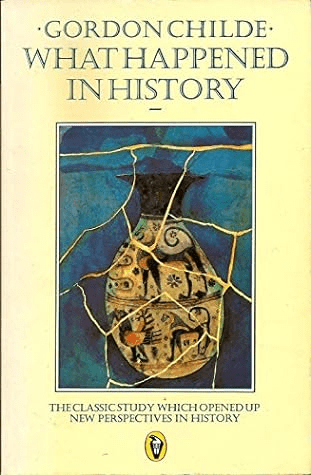
I read this book as part of my research for an essay on Vere Gordon Childe. The book was published in 1942 and is “a study of the rise and decline of cultural and moral values in the Old World up to the fall of the Roman empire.”. It was definitely not my usual type of book but was fascinating to read directly the theories of one of the most influential archaeological researchers. While the theories are in parts very outdated today it was interesting to see how the theories were then presented and then considered what has changed since this was published in 1942.
Tessa Verney Wheeler: Women and Archaeology Before World War Two by Lydia Carr
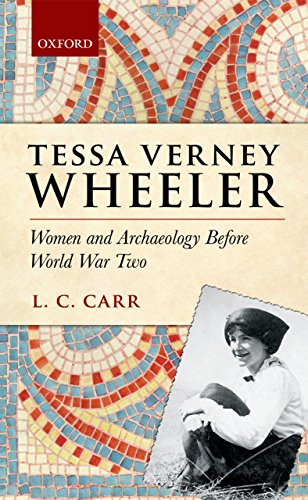
This was also a read for an essay. The book focuses on archaeologist Tessa Verney Wheeler but due to gender politics of the time and even now is most well known for being wife to archaeologist Mortimer Wheeler. This biography explores Verney Wheeler’s entire life through a range of sources. Sadly, Verney Wheelers untimely death in 1936, aged 43, put a stop in what was already a very influential archaeological career and led to most of her work being grouped with that of her husbands rather as an individual. The book also looks wider to contemporary other women and their role in archaeology. It was an incredibly thoughtful read that was well put together and informative while also being sensitive and really painting the life of Verney Wheeler for the reader to explore.
Agatha Christie by Lucy Worsley
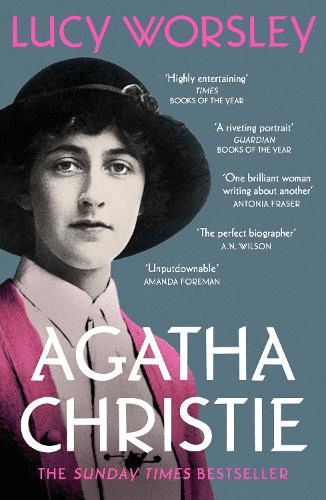
While Agatha Christie may not be known for being an archaeologist, she has definitely had a large influence in the field mostly due to her second marriage to archaeologist Max Mallowan. This book is an incredibly comprehensive biography by Christie skilfully done by Worsley with a large portion focusing on Christie’s experience with the archaeology world. This is very well known to have influenced her works including ‘Murder in the Mesopotamia’ and ‘Death on the Nile’. If you are an Agatha Christie fan or even just passingly interested you won’t regret reading this book and there is definitely a lot of archaeology in it.
Romans
Roman Forts in Britain by Paul T. Bidwell | The Archaeology of Roman York by Adam Parker | Roman York by Patrick Ottaway
These next three were all read for an essay on Roman York so I would recommend any of them if you are interested in learning more about Roman York.

Mythology
Pandora’s Jar: Women in the Greek Myths by Natalie Haynes
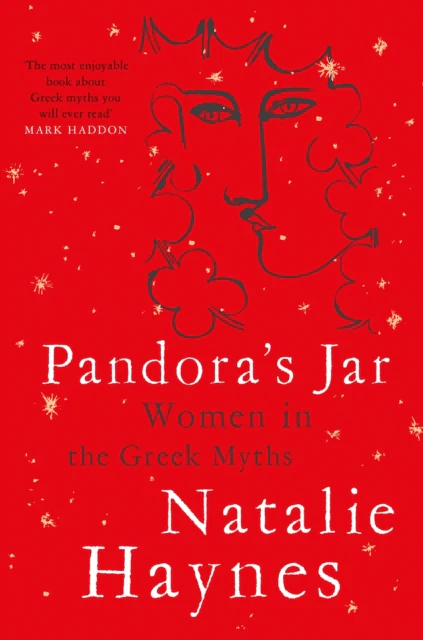
Throughout Greek myth retellings women’s stories or autonomy has been pushed to the side with men being the primary focus, throughout this book Haynes breaks down these myths to then rebuild them with the women. Each chapter of this book focuses on a different woman from Greek mythology in which Haynes explores the classic Greek myths but focuses on putting women back into the stories. This book is an amazing read and it is refreshing to hear the female voice in a myth retelling and is incredibly thought provoking.
The Song of Achilles by Madeline Miller

The Song of Achilles is a retelling of the Trojan War through the eyes of Patroclus. I have always enjoyed mythological retellings and am always meaning to read more of them but somehow I had just never got round to reading Song of Achilles. I really enjoyed this book and particularly liked the LGBT representation, I will be reading Circe by Madeline Miller in 2024.
Classics
I have never read many classics so in 2023 I wanted to try read a few more as they are known as classics for a reason.
Beowulf
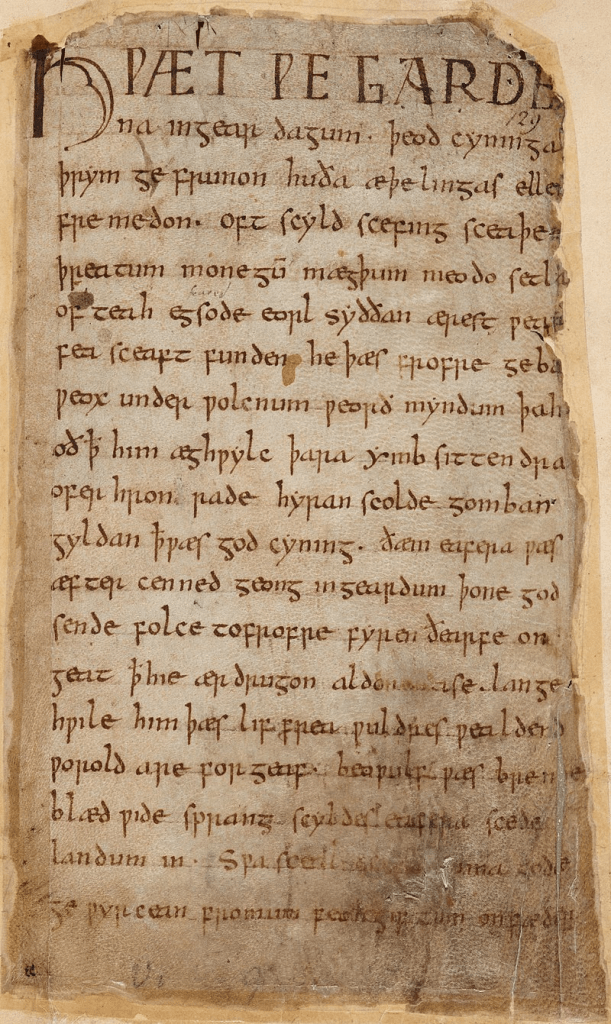
Beowulf is an Old English Anglo-Saxon epic poem and is highly regarded as one of the most important pieces of Old English literature. It was surprisingly enjoyable to read an English translation of the poem and I did not expect to enjoy it anywhere near as much as I did.
The Epic of Gilgamesh
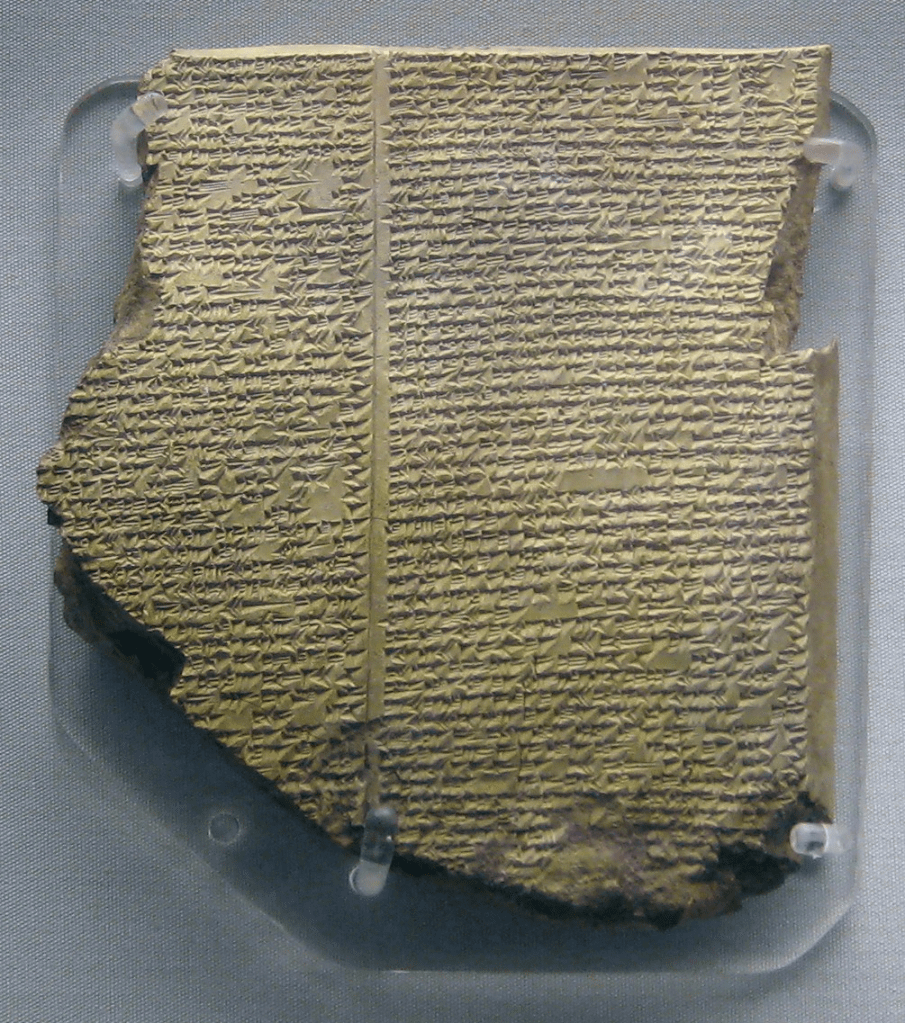
Similarly, I also read another translated epic poem this time from ancient Mesopotamia, the Epic of Gilgamesh. In the poem, Gilgamesh, king of the Sumerian city Uruk, goes on a quest to find immortality. It was great to say I have read and was nice to read something entirely different to my normal fiction books. Also, I love the Civilisation games in which Gilgamesh is a character so it was interesting to explore surrounding the figure.
Thank you for reading this post! That is all the archaeology related books I completed reading in 2023. If you would like to see the Archaeology Reading Challenge I am planning on completing in 2024, read this post here!


 Louise Bedford
Leave a reply to Louise Bedford Cancel reply